12V SYSTEMS GUIDE & FAQ'S
12V Power Systems for 4WDs & Caravans –
Questions & Answers
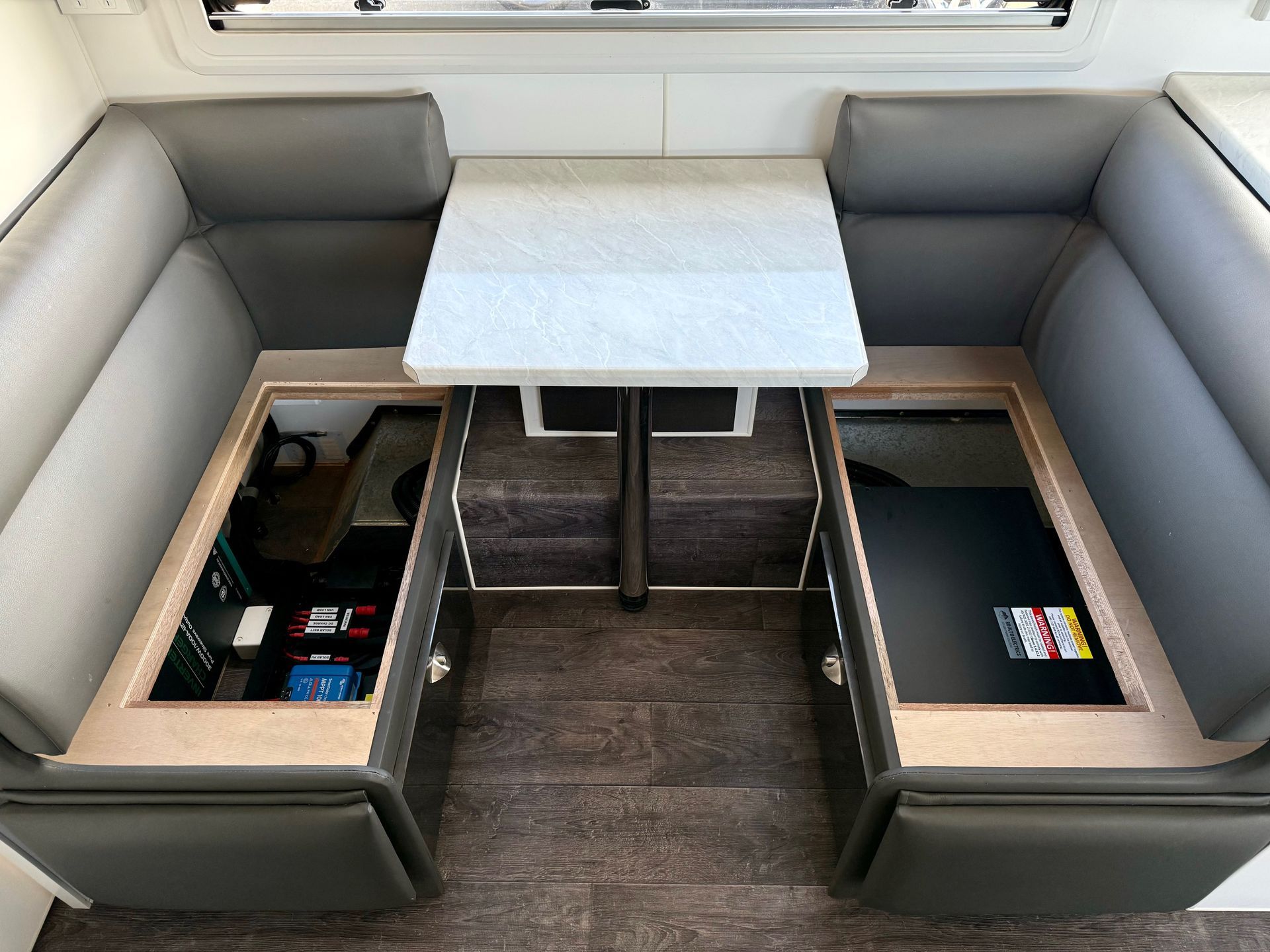
12V power systems are the heart of modern 4WD touring and off-grid caravan setups.
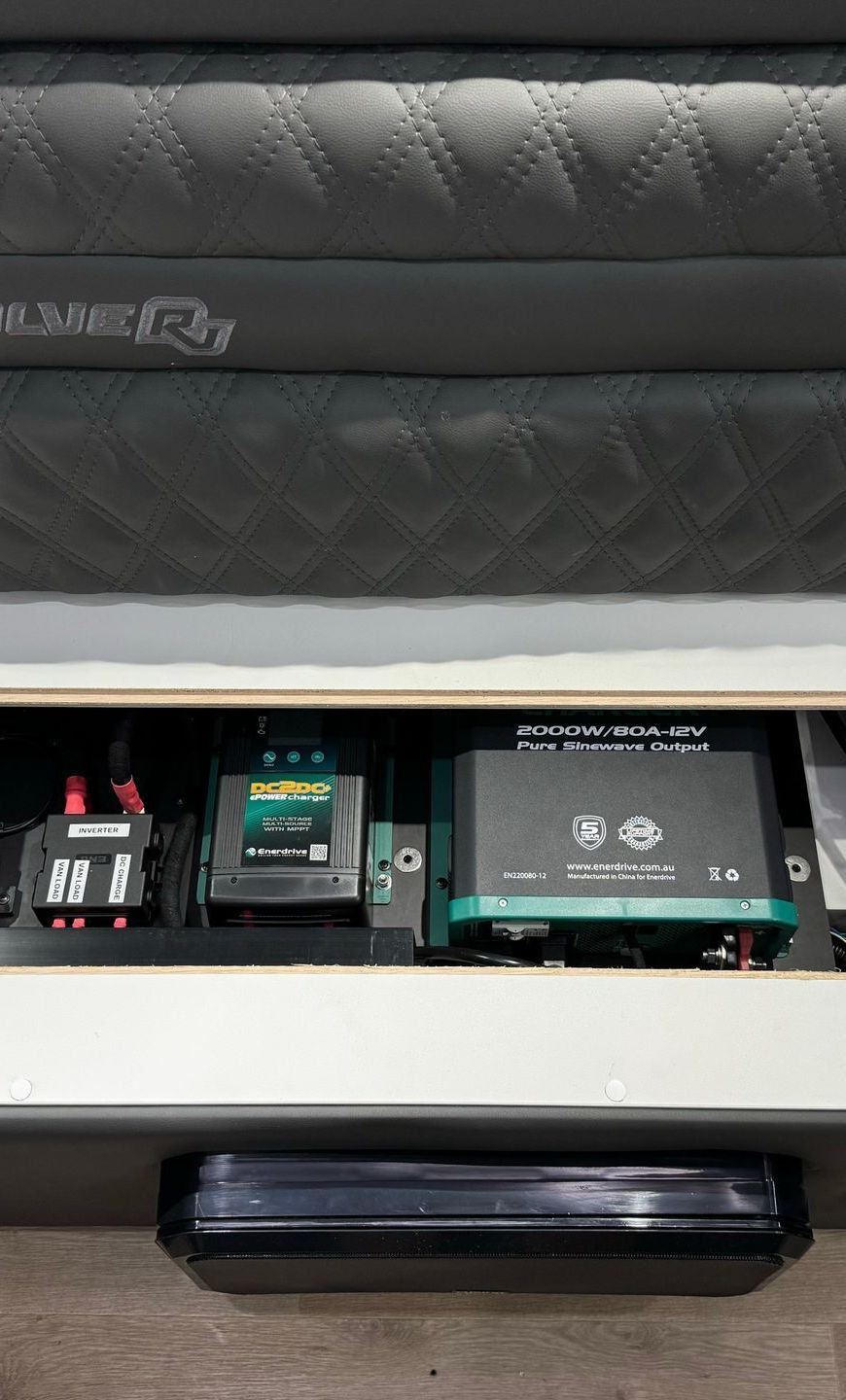
A properly designed system uses components such as lithium batteries, solar panels, DC-DC chargers and inverters to generate, store and deliver reliable power while travelling or camping away from mains electricity. These systems allow you to run fridges, lighting, charging outlets and other appliances safely and efficiently wherever your adventures take you.
This guide answers common questions about 12V systems and helps you understand the key components used in caravan and 4WD power setups.
CARAVAN POWER QUESTIONS
Should I upgrade my caravan to lithium batteries?
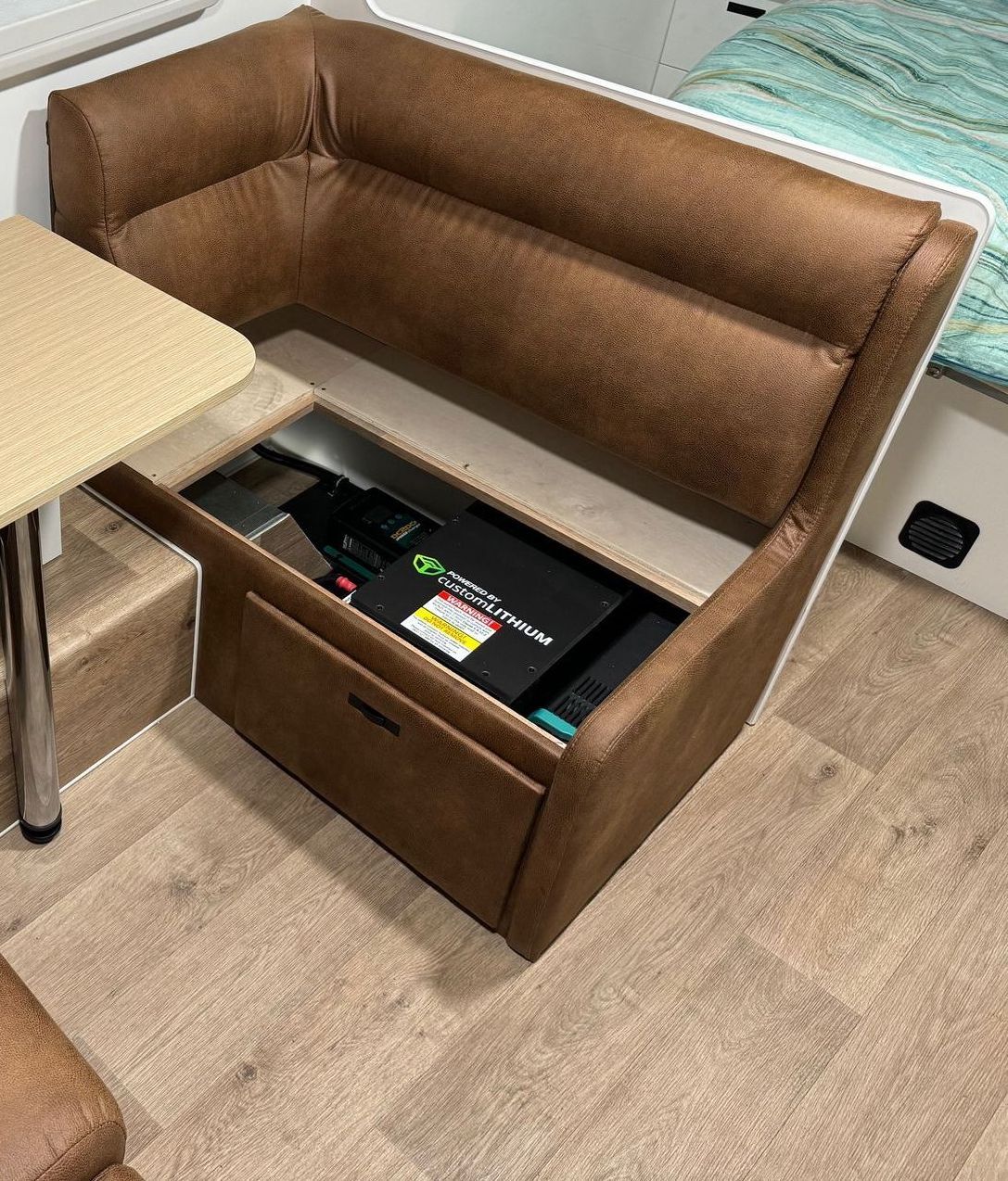
Upgrading a caravan from AGM to lithium batteries can significantly improve battery capacity, charging speed and overall system performance. Lithium batteries are lighter, last longer and allow deeper discharge without damaging the battery. Many caravan owners upgrade their electrical systems with lithium batteries, solar charging and inverters to create a reliable off-grid power system for extended travel.
What size lithium battery do I need for a caravan?
Most off-grid caravans use between 200Ah and 600Ah of lithium battery capacity, depending on how much power is used each day. Appliances such as fridges, lighting, water pumps, inverters and coffee machines all increase power demand. Larger off-grid setups often combine lithium batteries with solar panels and a DC-DC charger to keep batteries charged while travelling. A properly designed system ensures reliable power for extended off-grid camping.
How much solar do I need for an off-grid caravan setup?
The amount of solar required depends on battery size and daily power consumption. Most off-grid caravans run between 600W and 800W of solar panels to maintain battery charge while camping. Larger systems with lithium batteries, inverters or high-power appliances may require additional solar capacity. A well-designed solar system allows caravan owners to camp off-grid for longer without relying on powered sites.
Do I need a DC-DC charger in my caravan 12V system?
A DC-DC charger is recommended for most modern caravan and 4WD electrical systems. Modern vehicles often have smart alternators that do not provide consistent charging voltage. A DC-DC charger regulates the voltage and ensures lithium or AGM batteries charge correctly while driving. Many systems also integrate solar input, allowing the charger to manage both vehicle and solar charging automatically.
What size inverter should I run in a caravan?
The inverter size depends on the appliances you want to run from your caravan’s 240V system. Smaller setups often use 1000W inverters for charging devices and running small appliances. Larger off-grid caravans commonly use 2000W to 3000W inverters to power coffee machines, microwaves or induction cooktops. Choosing the correct inverter ensures reliable performance without overloading the electrical system.
Can a caravan run completely off-grid with lithium batteries and solar?
Yes, many modern caravans can operate fully off-grid using lithium batteries, solar panels and a properly designed 12V system. Lithium batteries store large amounts of energy, while solar panels recharge the system during the day. Combined with efficient appliances and a quality battery management system, travellers can comfortably run fridges, lighting and electronics without needing powered caravan park sites.
How much does a lithium battery system cost for a caravan?
The cost of a
lithium battery system for a caravan
depends on battery capacity, solar input, inverter size and the overall system design. Smaller lithium setups with around 200Ah of battery capacity may start from $3,000–$5,000 installed, while larger off-grid systems with 400Ah–800Ah lithium batteries, solar panels and inverters can range from $8,000 to $15,000+ depending on the equipment and installation requirements.
4WD POWER QUESTIONS
What is the best dual battery setup for a 4WD touring vehicle?
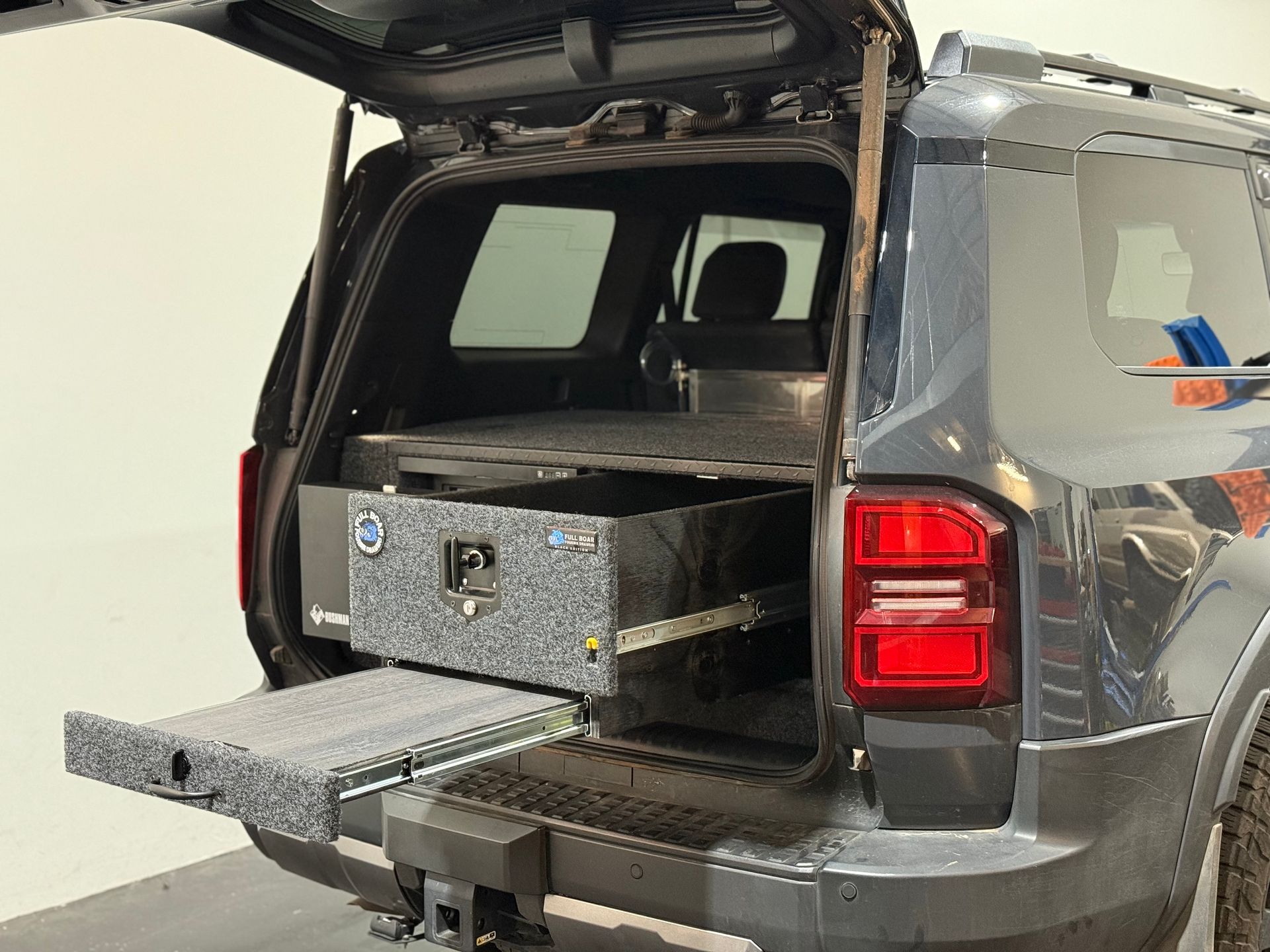
The best dual battery setup depends on how the vehicle is used. Most touring vehicles use a lithium or AGM auxiliary battery paired with a DC-DC charger and solar input. This setup allows the battery to charge while driving and from solar while camping. Dual battery systems are commonly used to power fridges, lighting, compressors and other 12V accessories during extended trips.
Do I need a DC-DC charger for a dual battery system?
Most modern 4WD dual battery systems require a DC-DC charger to properly charge the auxiliary battery. Modern vehicles often use smart alternators that reduce voltage to improve fuel efficiency, which can prevent traditional battery isolators from charging correctly. A DC-DC charger ensures the battery receives the correct charging voltage and can also integrate solar charging for off-grid camping.
What size lithium battery should I run in a 4WD?
For most touring setups, a 100Ah to 200Ah lithium battery is ideal for powering fridges, lighting and accessories. Smaller systems may run a single 100Ah battery, while larger touring setups or canopy systems often use 200Ah or more. Lithium batteries are popular because they are lightweight, provide consistent voltage and recharge faster than traditional AGM batteries.
How long will a dual battery run a fridge in a 4WD?
A typical 12V fridge uses 1–2 amps per hour on average, depending on temperature and usage. A 100Ah lithium battery can often run a fridge for two to three days without charging, while larger battery systems can last even longer. Solar panels or vehicle charging are usually added to keep the battery topped up during longer camping trips.
Can solar panels charge a 4WD dual battery while camping?
Yes, solar panels are commonly used to recharge dual battery systems while camping or travelling. Portable or roof-mounted solar panels connect through a solar regulator or DC-DC charger to safely charge the auxiliary battery. Solar charging helps maintain battery levels during extended trips and allows travellers to run fridges and accessories without needing to start the vehicle.
Is lithium better than AGM for a 4WD dual battery system?
Lithium batteries are becoming increasingly popular in 4WD touring setups because they are lighter, charge faster and provide more usable capacity than traditional AGM batteries. While lithium systems have a higher upfront cost, they often last longer and perform better when running fridges, lighting and other camping accessories.
How much does a lithium dual battery system cost for a 4WD?
The cost of a
lithium dual battery system for a 4WD depends on battery capacity, charging equipment and installation requirements. Smaller setups with around 100Ah of lithium battery capacity and a DC-DC charger may start from $2,500–$3,500 installed, while larger touring systems with 200Ah lithium batteries, solar charging and battery monitoring can range from $3,000 to $6,000+ depending on the components and vehicle setup.

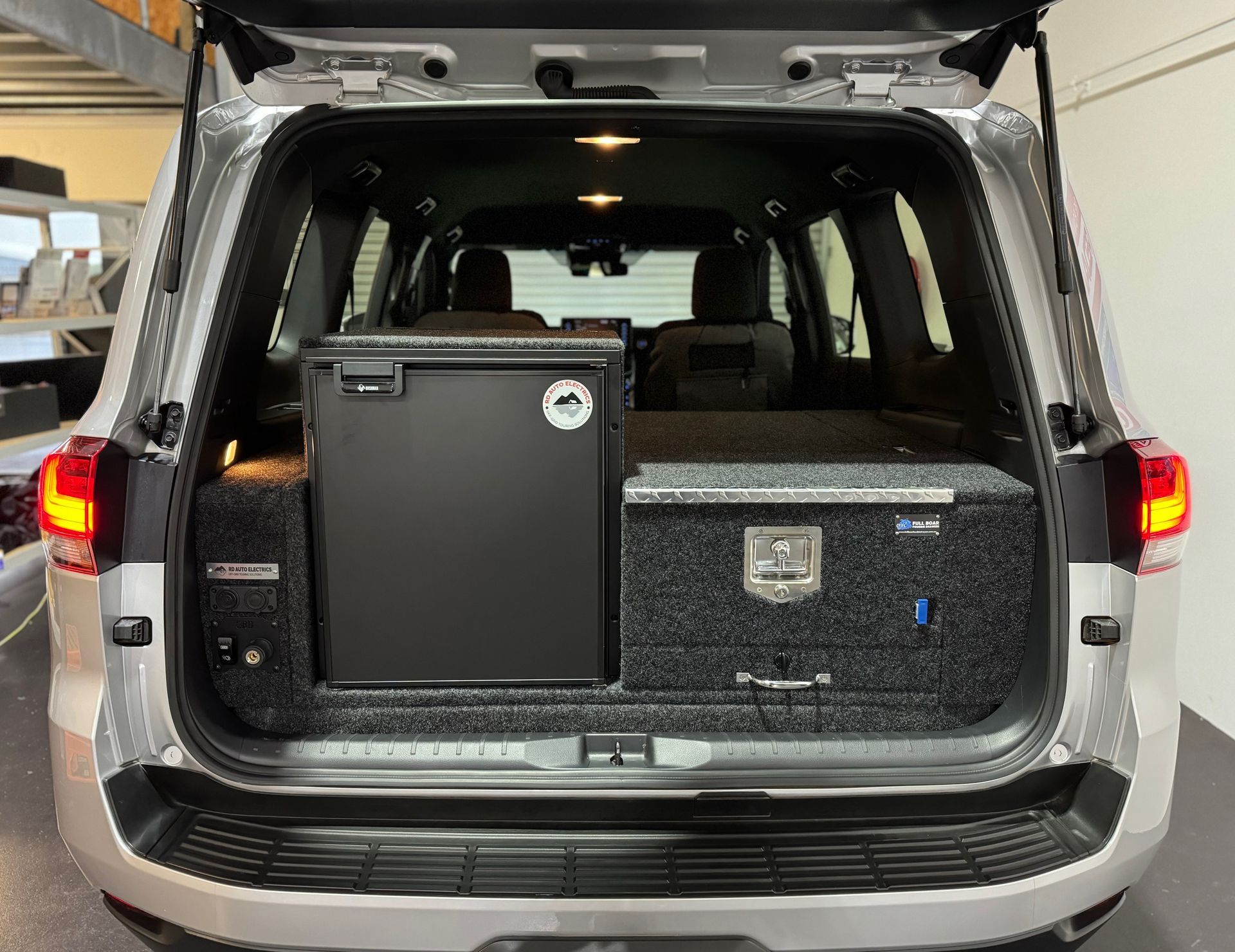
Professional 12V System Installations
Designing and installing a reliable 12V power system for a 4WD or caravan requires the right combination of batteries, charging systems, solar input and electrical protection. A properly designed setup ensures your electrical system performs safely and reliably while travelling or camping off-grid.
Need help designing a 12V system for your 4WD or caravan?
RD Auto Electrics specialises in custom 12V power systems, dual battery installations and caravan electrical upgrades for customers across Bunbury and the South West of Western Australia including Perth. Simply head to our contact page, fill out our simple form and we will contact you to begin your system design